

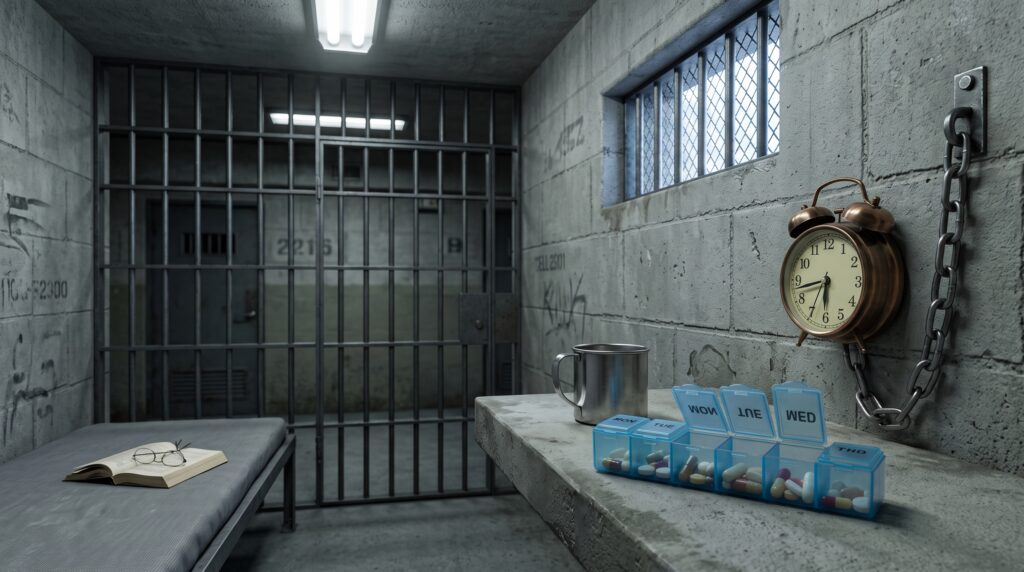
There’s a specific kind of fear that comes with this situation, and it’s different from a standard arrest call. It’s not just the legal stress. It’s the physical danger layered on top of it. If your loved one depends on daily insulin, blood pressure medication, an inhaler, seizure medication, or ongoing mental health treatment, every hour they spend without it matters.
Here’s the honest truth about DFW jail systems: even with dedicated medical staff on-site, getting a daily prescription verified and administered inside a county facility can take a painfully long time. That delay isn’t due to neglect. It’s built into how these systems process medication requests. And that’s exactly why acting fast on two fronts, coordinating with jail medical staff and pursuing an immediate release, matters so much.
Understanding the Jail Medical Intake Process in DFW
Every major detention facility in the Metroplex, including Lew Sterrett in Dallas, the Tarrant County Jail in Fort Worth, and the Collin County Detention Facility in McKinney, conducts a medical and mental health screening as part of booking. This screening is meant to catch urgent needs early, but the process that follows can move slowly.
Inmates are generally not allowed to keep their own pill bottles or personal medication on them. Instead, jail medical staff must verify the prescription directly with the prescribing doctor or pharmacy before anything can be administered. That verification process alone can take anywhere from 12 to 36 hours, sometimes longer if it happens over a weekend or during a high-volume intake period.
This isn’t a hypothetical risk. Administrative backlog at busy intake desks is common, and it can create real gaps in a medication schedule for someone with a chronic condition. Understanding this timeline upfront helps you act with urgency rather than assuming the system will move as fast as it should.
Step-by-Step Action Plan for Families of Medically Vulnerable Inmates
Step 1: Gather the Essential Details
Have your loved one’s full legal name, date of birth, medical diagnosis, exact medication names and dosages, and their prescribing physician’s contact information ready. This information speeds up verification on the jail’s end and gives you something concrete to provide when you call.
Step 2: Contact the Jail’s Medical Desk Directly
Most facilities have a dedicated medical line separate from general booking information. Call it, or go to the facility’s public intake window if calling isn’t getting through. You may be asked to provide pharmacy records or prescription labels, though in many cases the jail will still need to source medication through its own pharmacy system rather than accept outside pills directly.
Step 3: Document Everything
Keep a written log of every call. Note who you spoke to, what time you called, and exactly what you were told. This record matters if you need to escalate a concern, and it gives your bondsman useful context if delays continue.
If your loved one experiences an acute medical emergency while still in booking, whether that’s at Lew Sterrett or a Fort Worth facility, don’t hesitate to demand supervisor intervention. Ask directly whether transport to a local hospital, such as Parkland in Dallas or John Peter Smith in Fort Worth, is being considered. Staying persistent and specific gets attention faster than a general complaint.
Why an Immediate Bail Bond Is the Ultimate Medical Intervention
Posting bail in this situation isn’t just a legal move. Think of it as a health intervention in its own right. Every hour that passes is an hour closer to your loved one having access to their own medication, their own doctor, and their normal treatment routine.
Jail environments also carry their own physical toll. Stress, disrupted sleep, and inconsistent nutrition can all worsen a chronic condition, even setting aside medication access entirely. For someone managing diabetes, heart disease, epilepsy, or a mental health condition, a short stay can have consequences that outlast the legal situation itself.
Working with a bondsman to post bail as quickly as possible lets you bypass the slower institutional process of waiting on jail pharmacy verification. A medical release from a jail in Dallas or Fort Worth situation moves on its own timeline once medication protocols are involved, but a fast bond can get your loved one home to their own doctor and their own medicine before that process even finishes.
Safe, Empathetic, and Fast Jail Releases with Big Bubba’s and 1st Call
We understand how sensitive and urgent a medical-related arrest is for a family. This isn’t treated as a routine case file. Our agents recognize the stakes and prioritize these situations accordingly.
Because medical emergencies don’t wait for business hours, neither do we. Our teams operate 24 hours a day, 365 days a year, which means we can begin the bond process at three in the morning if that’s when the call comes in. Getting your loved one out before a missed morning dose is often exactly what a fast response makes possible.
We also offer flexible, structured financing with low-down payment options for qualified applicants. A sudden legal and medical emergency shouldn’t have to break your household budget on top of everything else you’re managing.
Act on Both Fronts at Once With Bail Bonds DFW
If your loved one has a medical condition and has just been arrested, don’t choose between coordinating with jail medical staff and pursuing a fast release. Do both, immediately and in parallel. Call the jail’s medical desk to start documentation. Call a trusted 24-hour bondsman to start the release process. Both actions protect your loved one’s health, and together they give you the best chance of a safe, timely outcome.
Big Bubba’s Bail Bonds and 1st Call Bail Bonds are ready to help right now, day or night, across Dallas, Tarrant, Denton, and Collin Counties. Contact us today!
