

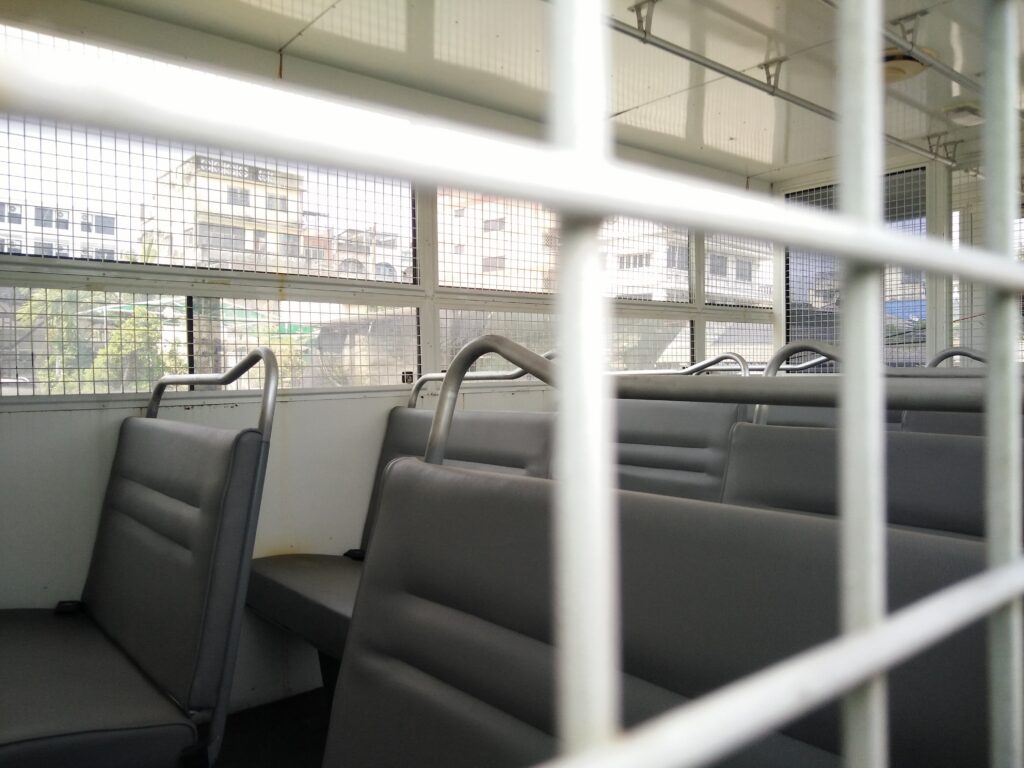
When an arrest happens in Dallas or Fort Worth, most don’t know that municipal jails run on a hidden clock. City holding facilities are short-term stops, not permanent housing. If bail isn’t arranged fast enough, your loved one gets loaded onto a bus and transferred to a much larger county system. Once that happens, everything about the release process gets longer and more complicated.
Acting quickly to intercept that transfer can save hours. In some cases, it saves days. Here’s how the window works and what you can do before it closes.
The Crucial Window: Why City Jail Release Is Faster Than County
Municipal jails in cities like Irving, Arlington, Garland, and Mansfield operate on a much smaller scale than county facilities. Lower intake volume means fewer people to process, which means releases at the city level can often happen within one to two hours once a bond is posted.
County jails are an entirely different animal. Lew Sterrett in Dallas and the Tarrant County Jail in Fort Worth handle massive intake volumes every single day. Once someone enters that system, they go through booking, medical screening, and classification queues before they’re even eligible for release processing. Those steps take time, and they happen regardless of how fast the bond gets posted.
This is why understanding how bail bonds work matters most in that early window, before the transfer bus arrives. A bond posted at a city desk while your loved one is still there is often the fastest path home. Once they’re moved, that speed advantage disappears.
What Happens During a DFW City Jail Transfer?
Municipal departments run transfers on fixed schedules. Buses move on a set timeline, often overnight, carrying inmates from city holding facilities to the county jail responsible for that jurisdiction. These schedules aren’t flexible, and they don’t wait for paperwork to catch up.
Once an inmate is loaded onto that bus, they enter what’s often called a blackout period. They are in transit, not yet logged into the county system, and effectively un-bondable during that stretch. No paperwork can move forward until they’re fully booked in on the other end. That gap can run anywhere from several hours to the better part of a day, depending on the route and the receiving facility’s workload.
Once someone reaches county custody, bail bond processes can begin again, but they now compete with the full scale of a major facility. What could have been a straightforward city-level release becomes a longer wait inside a much larger system.
How to Safely Intercept a Transfer with Immediate Bail Bonds
Getting ahead of a transfer comes down to speed and clear action. Here’s the sequence that works.
Step One: Identify the Exact Facility
Confirm which specific municipal jail is holding your loved one. Irving, Arlington, Garland, and Mansfield each have their own city holding desks, and knowing the precise location is the first thing a bondsman will ask for.
Step Two: Call Immediately
Reach out to a 24-hour bail bonds service the moment you have that information. Don’t wait to gather every detail first. An experienced dispatcher can help fill in gaps while the process starts moving.
Step Three: Handle Co-signer Paperwork Digitally
Most agencies, including ours, offer mobile-friendly forms and digital signatures. Completing co-signer documentation remotely saves the minutes that matter most when a transfer bus is on a fixed schedule.
The interception itself happens when a fast-acting bondsman delivers the completed bond directly to the city jail’s front desk before the transfer window closes. When timed correctly, this stops the process before your loved one ever leaves the building. It’s not guaranteed in every case, since transfer schedules vary by department and workload, but acting immediately gives you the best possible chance.
The Unified DFW Brand Network: How Big Bubba’s and 1st Call Have You Covered
City jail transfers happen across every corner of the metroplex, which is exactly why coverage across the full region matters.
Big Bubba’s Bail Bonds handles municipal desks throughout Tarrant and Denton Counties, including city holding facilities in Fort Worth, Arlington, and Denton. Our agents know the transfer schedules at these specific locations and work to intercept bonds before inmates are moved to the Tarrant County Jail.
1st Call Bail Bonds covers city jail desks across Dallas and Collin Counties, including Dallas, Irving, Garland, and McKinney. When a transfer to Lew Sterrett or the North Central Transfer Station is on the horizon, our agents move fast to post bond at the municipal level first.
Together, our dual-brand network means no matter which city jail is holding your loved one, there’s a local team already familiar with that facility’s schedule and staff. One call connects you to the right agent for the right jurisdiction.
Don’t Wait for the Bus! Stop a Transfer with a DFW Bail Bond
The window to stop a city-to-county transfer is real, but it closes fast. The single best thing you can do is call the moment you know where your loved one is being held.
Big Bubba’s Bail Bonds and 1st Call Bail Bonds are available 24 hours a day across Dallas, Tarrant, Denton, and Collin Counties. We know the municipal jails, we know the transfer schedules, and we move quickly to keep your loved one out of the county system whenever possible.
Call now. Every minute counts. We’re open 24/7 to help!
